FREE ASSISTANCE FOR THE INQUISITIVE PEOPLE














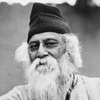
Although Nobel laureate Rabindranath Tagore, the famous Bengali poet, author, composer, painter, and philosopher, never visited Poland, he is the only writer of his generation from the Indian subcontinent whose writings have been extensively translated into Polish. Among his works translated into Polish, the play Dak Ghar, or the Post Office deserves a special mention.

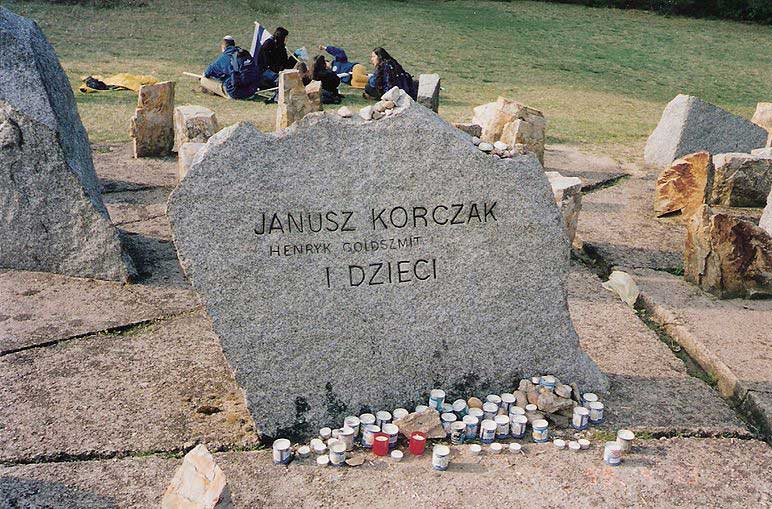
It is his only work that has been translated five times in Polish by different translators and was staged several times. However, the most significant staging took place during the tragic days of the Second World War, when the play was performed by the children of an orphanage run by Janusz Korczak, in Warsaw Ghetto, just before the children, along with Korczak, were transported by the Nazis to Treblinka Concentration Camp for annihilation.

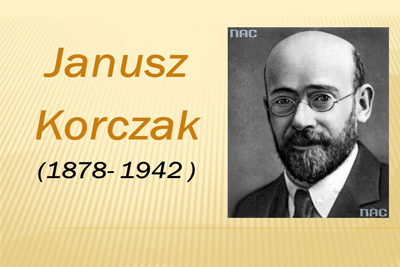
Born in June 1878, Janusz Korczak was a Jewish doctor, a reputed author, and eventually became a children’s educator. He served the Polish Army as a military doctor during the First World War with the rank of Lieutenant and as a Major during the Polish-Soviet War. After the wars, he continued his medical practice in Warsaw, and volunteered for duty in the Polish Army again at the onset of the Second Great War, but was refused due to his age. However, deep in his heart, he always intended to serve the children as an educator, and became the director of Dom Sierot Orphans Home in Warsaw in 1912.
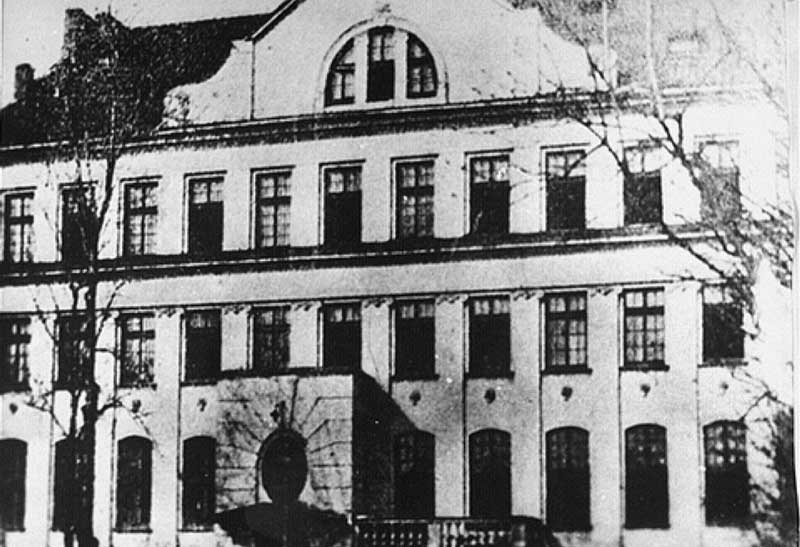
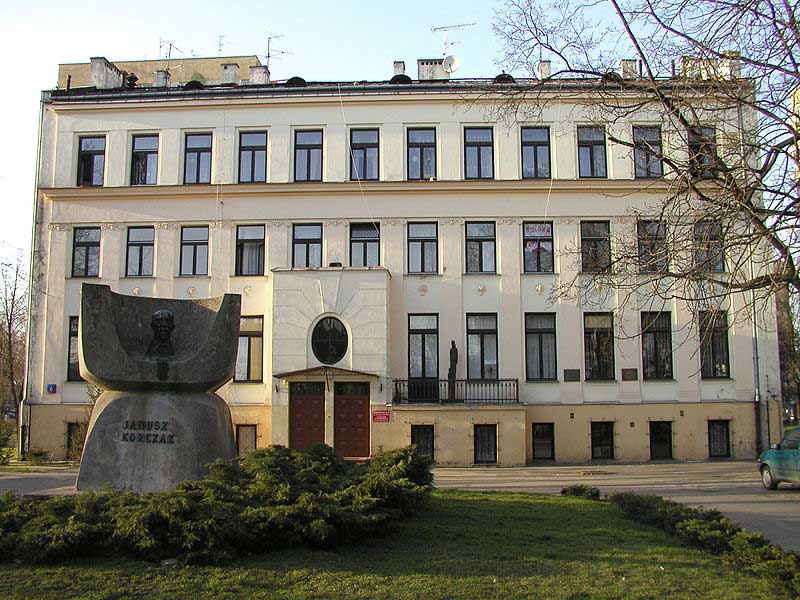
Janusz Korczak loved the children. He believed in the full dignity of children, believed that children must be respected and loved. He felt that children should be understood, and for that purpose, it is the duty of the adults to enter into the spirit of their world and psychology. He used his methodology to educate the orphans to lead responsible lives, to be responsible for each other, and make them feel the need to make responsible decisions.

When the Jews were forced by the Nazis to wear a white armband with a blue Star of David at the end of November 1939, Janusz refused to oblige them, although he knew that he was putting himself in danger. After the creation of the Warsaw Ghetto in 1940, his orphanage in Dom Sierot was forced to move to the ghetto, and despite being offered safe shelter repeatedly, Janusz accompanied the children. During those horrible days, when the conditions of life in the ghetto were pathetic, he tried his best to ease things for the two hundred tiny tots who were under his care. Despite the harsh reality and the loss of moral values prevailing everywhere, Korczak tried to impart the basic honesty and truth to the children. To ease the situation, he decided to stage Rabindranath Tagore’s Dakghar or The Post Office, to be performed by the children. The play is based on the story of a sick boy, who is confined in his room, and detached from the outside world, resembling the orphan children confined in the ghetto. The sick boy in the play, confined in his room, makes a new world for himself by his imaginations, converses with people who pass by his window, and eagerly waits for the letter from the King, symbolizing his freedom. Ultimately, the boy in the play dies in his confinement, which is described by Tagore as his spiritual freedom. Dr. Janusz Korczak intentionally selected the play to be performed by the kids to make them mentally prepared to accept their inevitable fate calmly.
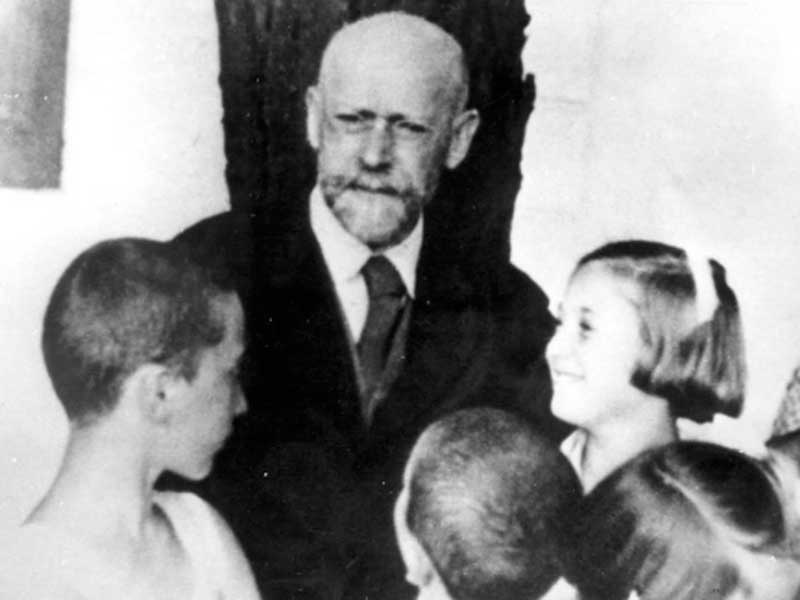
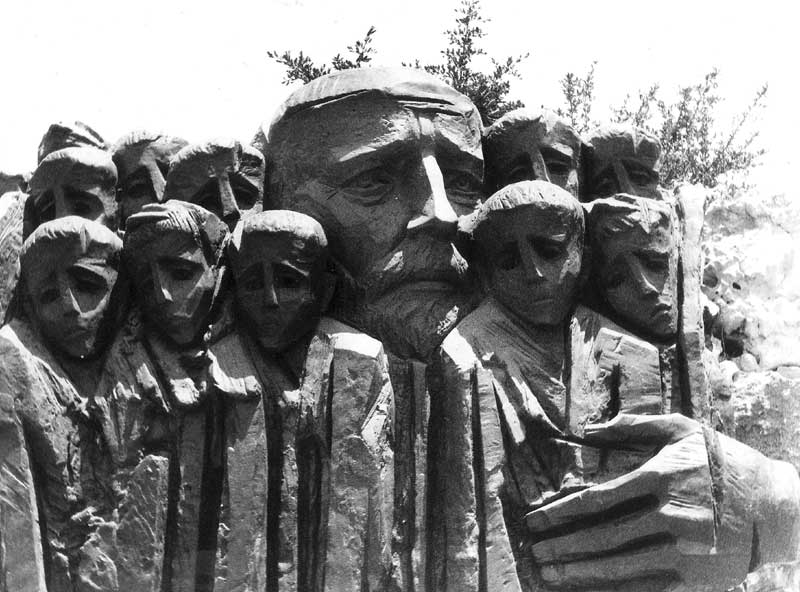
However, the end came soon, when on 5 or 6 August 1942, the German soldiers came to collect the children, along with around one dozen staff members living in the ghetto, to dispatch them to the Treblinka Extermination Camp for annihilation. Korczak told the children to wear their best clothes as they were going out into the country and they came out into the yard nicely dressed and in a happy mood. Although he was again offered sanctuary, he turned it down firmly and refused to leave his children,insisting that he would accompany the children. It was reported by an eyewitness that a few nurses were followed by the two hundred children, dressed in clean clothes, as if they were being carried to the altar. Janusz Korczak was marching with his head bent forward, holding the hand of a child, without a hat, and wearing high boots. As guided by the Nazi soldiers, they marched to reach the Umschlagplatz, the protected area adjacent to railway stations where Jews from ghettos were assembled for deportation to Nazi death camps. Janusz Korczak boarded the trains with the children and was never heard from again.